
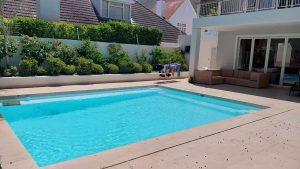
Swimming pool installation problems can lead to costly repairs, project delays, and ongoing maintenance issues, but most of these problems can be avoided through proper planning, quality workmanship, and regular pool care.
Installing a swimming pool is one of the best ways to enhance your outdoor living space, increase property value, and create a place where family and friends can relax and enjoy quality time together. A well-designed swimming pool can transform an ordinary backyard into a stunning entertainment area while providing years of enjoyment. However, like any major home improvement project, swimming pool installation requires careful planning, professional expertise, and attention to detail to ensure long-term success.
Unfortunately, many homeowners encounter swimming pool installation problems that could have been avoided with proper preparation and guidance. Issues such as poor drainage, structural cracks, leaks, equipment failures, uneven settling, and water quality problems can occur when corners are cut during the design or construction process. These problems not only affect the appearance and functionality of a pool but can also result in costly repairs and ongoing maintenance challenges.
Understanding the most common swimming pool installation problems and how to avoid them is essential for protecting your investment. From selecting the right pool contractor to ensuring proper site preparation and drainage, every stage of the installation process plays a crucial role in the pool’s long-term performance. Even after construction is complete, regular maintenance and proper water management are necessary to keep the pool operating efficiently and safely.
Whether you are planning a new swimming pool installation, renovating an existing pool, or have recently completed a project, knowing what potential issues to watch for can help you make informed decisions and avoid unnecessary expenses. By learning about common swimming pool installation mistakes and the best ways to prevent them, homeowners can enjoy a durable, attractive, and low-maintenance pool for many years. In this guide, we’ll explore the most common swimming pool installation problems, practical prevention strategies, and expert tips to help ensure your pool remains in excellent condition from day one.
Common Swimming Pool Installation Problems
Several issues can arise during swimming pool installation. Some of the most common include:
Installation Problem | Potential Cause | Prevention Method |
Ground movement | Poor soil assessment | Conduct professional site surveys |
Pool leaks | Improper waterproofing | Use quality materials and skilled installers |
Cracked pool shell | Structural defects or shifting soil | Ensure proper engineering and construction |
Poor drainage | Inadequate site planning | Install effective drainage systems |
Equipment failure | Incorrect installation | Use certified pool technicians |
Uneven pool settling | Insufficient ground preparation | Proper excavation and compaction |
Many of these problems begin long before the pool is filled with water. Working with experienced swimming pool contractors significantly reduces the likelihood of costly issues developing later.
What are the 3 C’s of Pool Maintenance?
The 3 C’s of pool maintenance are Circulation, Cleaning, and Chemistry. These three essential principles form the foundation of a clean, safe, and properly functioning swimming pool. When all three are maintained consistently, pool owners can enjoy crystal-clear water, improved equipment performance, and lower long-term maintenance costs.
Circulation
Proper water circulation is critical for maintaining healthy pool water. Water must continuously move through the filtration system to remove dirt, debris, and contaminants while preventing stagnant areas where algae and bacteria can thrive. Good circulation also helps distribute pool chemicals evenly throughout the water, ensuring consistent sanitation. Running the pool pump for the recommended number of hours each day and regularly inspecting the filtration system can significantly improve water quality and overall pool performance.
Cleaning
Regular pool cleaning helps keep the water clear and inviting while preventing the buildup of debris and harmful contaminants. Leaves, insects, dirt, and other organic matter can quickly accumulate in a swimming pool if not removed promptly. Routine skimming, brushing pool walls, and vacuuming the pool floor help prevent staining, algae growth, and clogged filtration systems. A consistent cleaning schedule also reduces the amount of chemicals needed to maintain healthy water conditions.
Chemistry
Maintaining balanced water chemistry is essential for swimmer safety and the longevity of pool equipment and surfaces. Proper levels of pH, chlorine, alkalinity, and calcium hardness help prevent corrosion, scaling, cloudy water, and bacteria growth. Unbalanced water can damage pumps, filters, liners, and pool finishes while creating an uncomfortable swimming environment. Regular water testing and timely chemical adjustments help keep the pool safe, clean, and efficient.
By focusing on Circulation, Cleaning, and Chemistry, homeowners can prevent many common pool maintenance problems before they occur. Following the 3 C’s consistently not only extends the life of a swimming pool but also ensures a healthier and more enjoyable swimming experience for family and guests throughout the year.
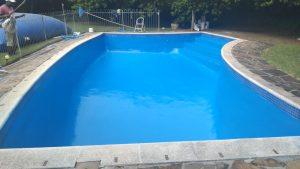
What is the Most Expensive Part of Installing a Pool?
The most expensive part of installing a swimming pool is typically the excavation and structural construction phase. These foundational stages are critical to the long-term durability, safety, and performance of the pool. Because they require specialized equipment, skilled labor, engineering expertise, and high-quality materials, they often account for a significant portion of the total swimming pool installation cost.
Excavation involves preparing the site by removing soil and creating the exact dimensions required for the pool design. This process requires heavy machinery and experienced operators to ensure the excavation is completed accurately and safely. If the property contains rocky ground, unstable soil, underground utilities, tree roots, or limited access for equipment, excavation costs can increase substantially. Proper site preparation is essential because mistakes at this stage can lead to future structural issues and costly repairs.
Structural construction is another major expense because it forms the backbone of the entire swimming pool. This phase includes the installation of the pool shell, reinforcement systems, waterproofing materials, plumbing, and electrical components. Investing in quality construction helps prevent leaks, cracks, and other common swimming pool installation problems.
Structural construction costs typically include:
- Pool shell construction to create the main structure of the pool.
- Reinforcement materials such as steel or rebar to improve strength and durability.
- Waterproofing systems to protect against leaks and water damage.
- Plumbing installation for proper water circulation, filtration, and drainage.
- Electrical work for pumps, lighting, automation systems, and safety features.
- Filtration equipment to maintain clean and healthy pool water.
In addition to these core expenses, many homeowners choose to add premium features that increase both functionality and aesthetics. Popular upgrades include:
- Waterfalls and water features
- Pool heating systems
- LED lighting
- Tanning ledges and sun shelves
- Automated pool controls
- Decorative finishes and landscaping
While these features increase the overall cost of pool installation, they can significantly enhance the swimming experience and add value to the property. Choosing experienced swimming pool contractors and quality materials helps ensure your investment delivers long-term performance and enjoyment.
Cost Factor | Impact on Budget |
Excavation | High |
Concrete shell construction | High |
Plumbing and electrical systems | Medium to High |
Pool equipment | Medium |
Landscaping | Medium |
Custom features | Variable |
Choosing an experienced swimming pool installation company helps ensure these critical components are completed correctly the first time, reducing future repair expenses.
What are Common Issues with New Swimming Pool Openings?
New swimming pool openings often experience issues related to water chemistry, filtration performance, circulation, and equipment adjustments. While these problems are usually minor, addressing them early is essential to ensure your swimming pool operates efficiently and remains safe for swimmers. Understanding the most common pool opening problems can help homeowners prevent costly repairs and maintain crystal-clear water throughout the swimming season.
Some of the most common issues include:
Cloudy Water
Cloudy water is one of the most frequent problems encountered when opening a new swimming pool. This issue often occurs when water chemistry has not yet stabilized or when the filtration system has not had enough time to remove fine particles from the water. Improper chemical balancing, dirty filters, and inadequate circulation can all contribute to cloudy water. Regular water testing and proper filtration help restore water clarity quickly.
Algae Growth
Even newly installed swimming pools can develop algae if chlorine levels are not maintained correctly. Warm temperatures, sunlight, and poor water circulation create ideal conditions for algae growth. Green, yellow, or black algae can quickly spread if left untreated. Maintaining proper sanitizer levels and ensuring adequate circulation are key to preventing algae blooms.
Air in Plumbing Lines
New pool systems sometimes trap air within the plumbing network during startup. Air pockets can reduce water flow, create unusual noises, and decrease filtration efficiency. In most cases, the problem can be resolved by properly priming the pump and bleeding trapped air from the system.
Equipment Calibration Problems
Pumps, filters, heaters, chlorinators, and automated systems often require adjustments during the first few weeks of operation. Incorrect settings can affect water quality, energy efficiency, and overall system performance. Regular inspections help ensure all equipment is operating as intended.
Minor Water Loss
Some water loss is normal due to evaporation, especially during hot weather. However, excessive water loss may indicate a leak in the pool structure, plumbing, or equipment. Monitoring water levels closely during the first few weeks can help identify potential issues early.
Routine inspections, professional pool startup services, and ongoing maintenance help identify and correct these common swimming pool opening issues before they become larger and more expensive problems.
What are Common Pool Maintenance Mistakes?
Common pool maintenance mistakes include neglecting water testing, improper chemical use, ignoring equipment maintenance, and infrequent cleaning. These mistakes often lead to cloudy water, algae growth, equipment failures, higher operating costs, and expensive repairs. Proper pool maintenance is essential for keeping your swimming pool safe, clean, and operating efficiently throughout the year.
Overusing Chemicals
Many pool owners believe that adding extra chemicals will improve water quality and keep the pool cleaner. In reality, excessive chemical use can damage pool surfaces, corrode equipment, irritate swimmers’ skin and eyes, and create serious water balance problems. It is important to follow recommended chemical guidelines and regularly test water levels before adding any treatments.
Ignoring Water Testing
Regular water testing is one of the most important aspects of pool maintenance. Failing to monitor pH, chlorine, alkalinity, and calcium hardness levels can allow small issues to become major problems. Poor water chemistry can encourage algae growth, cause staining, damage pool equipment, and make the water unsafe for swimmers. Testing the water at least once or twice a week helps maintain proper balance and prevents costly repairs.
Failing to Clean Filters
Pool filters play a critical role in removing dirt, debris, and contaminants from the water. When filters become clogged or dirty, circulation and filtration efficiency decrease significantly. This often results in cloudy water, poor water quality, and increased pressure on the pool pump. Regular filter cleaning and maintenance help ensure optimal performance and extend the lifespan of the filtration system.
Neglecting Pump Maintenance
The pool pump is the heart of the swimming pool’s circulation system. Ignoring routine inspections and maintenance can lead to reduced water flow, increased energy consumption, and unexpected equipment breakdowns. Checking the pump regularly for leaks, unusual noises, or worn components can help prevent expensive repairs and keep the system operating efficiently.
Allowing Debris to Accumulate
Leaves, dirt, insects, and other organic matter can quickly accumulate in a swimming pool if not removed regularly. Debris not only affects the appearance of the pool but also contributes to algae growth and places additional strain on the filtration system. Routine skimming, brushing, and vacuuming help maintain clean, clear water and reduce maintenance costs over time.
Establishing a consistent pool maintenance schedule helps prevent these common mistakes, protects your investment, and ensures your swimming pool remains safe, attractive, and enjoyable for years to come.
How to Avoid Swimming Pool Installation Problems
Avoiding swimming pool installation problems starts with proper planning, quality workmanship, and ongoing maintenance. Many of the most common pool issues, including leaks, structural damage, poor drainage, and equipment failures, can be prevented by taking the right steps before, during, and after the installation process. Investing in professional swimming pool installation services can save homeowners significant time, money, and stress in the long run.
Follow these best practices to avoid common swimming pool installation problems:
- Hire experienced swimming pool contractors. Choose a reputable company with a proven track record in swimming pool construction and installation. Experienced contractors understand local conditions, building regulations, and industry best practices.
- Conduct comprehensive site evaluations. A thorough assessment of soil conditions, terrain, access points, and underground utilities helps identify potential challenges before construction begins.
- Verify proper drainage design. Effective drainage prevents water accumulation around the pool structure, reducing the risk of soil erosion, shifting foundations, and structural damage.
- Use quality construction materials. High-quality materials improve durability, reduce maintenance requirements, and help protect the pool from premature wear and tear.
- Ensure correct plumbing and electrical installation. Properly installed plumbing and electrical systems are essential for safe and efficient pool operation. Mistakes in these areas can lead to costly repairs and safety hazards.
- Schedule regular inspections throughout the project. Inspections at key stages of construction help identify issues early and ensure the work meets required standards.
- Follow recommended startup procedures after installation. Proper pool startup includes balancing water chemistry, testing equipment, and verifying that all systems are functioning correctly.
- Maintain consistent pool care practices. Regular cleaning, water testing, and equipment maintenance help prevent problems from developing after installation.
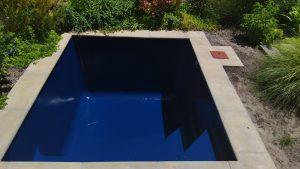
By following these best practices, homeowners can significantly reduce the risk of swimming pool installation problems and enjoy a safe, efficient, and long-lasting pool. Investing in professional installation and routine maintenance is far less expensive than repairing major structural or operational issues later.
Frequently Asked Questions
1. How long does swimming pool installation take?
Most residential swimming pool installations take between four and twelve weeks, depending on the size of the pool, design complexity, weather conditions, site accessibility, and any custom features included in the project. Factors such as permit approvals, excavation challenges, and landscaping requirements can also affect the timeline. Working with an experienced swimming pool contractor helps ensure the project stays on schedule and is completed to a high standard.
2. Can poor soil conditions affect a swimming pool?
Yes. Poor soil conditions are one of the leading causes of swimming pool installation problems. Expansive clay, loose soil, rocky ground, and unstable terrain can lead to structural movement, cracking, settling, and drainage issues. A professional site assessment before construction helps identify potential risks and ensures the correct engineering solutions are implemented.
3. How can I tell if my new pool has a leak?
Common signs of a pool leak include unexplained water loss, consistently low water levels, wet or muddy areas around the pool, cracks in the pool shell, and unusually high water bills. While some water loss occurs naturally through evaporation, excessive water loss may indicate a leak that should be inspected by a professional as soon as possible.
4. How often should pool water be tested?
Pool water should be tested at least once or twice per week to ensure proper chemical balance. During periods of heavy swimming activity, hot weather, or after heavy rainfall, more frequent testing may be necessary. Regular testing helps maintain safe swimming conditions and prevents problems such as algae growth, cloudy water, and equipment damage.
5. What is the best way to prevent algae growth?
The best way to prevent algae growth is to maintain proper chlorine levels, ensure good water circulation, clean the pool regularly, and keep water chemistry balanced. Brushing pool walls, vacuuming debris, and cleaning filters also help reduce the risk of algae developing and spreading throughout the pool.
6. Is professional pool maintenance worth it?
Yes. Professional pool maintenance can help identify potential problems before they become costly repairs. Regular servicing improves water quality, extends the lifespan of pool equipment, ensures proper chemical balance, and keeps your swimming pool looking its best. For many homeowners, professional maintenance provides peace of mind and long-term savings.
Conclusion
Swimming pool installation problems can often be prevented through proper planning, expert construction, and ongoing maintenance. Understanding common issues such as leaks, structural defects, poor drainage, equipment failures, and water chemistry problems helps homeowners protect their investment. Following the 3 C’s of pool maintenance; Circulation, Cleaning, and Chemistry, while avoiding common maintenance mistakes can significantly improve pool performance and longevity. By working with experienced professionals and maintaining a proactive approach to pool care, homeowners can enjoy a safe, beautiful, and trouble-free swimming pool for many years.
Need a Professional Swimming Pool Installation?
If you’re planning to build a new swimming pool or need expert advice on pool design, construction, maintenance, or repairs, trust the experienced team at Gentle Pools. We are committed to delivering high-quality swimming pool solutions that are built to last, helping homeowners avoid costly installation mistakes and enjoy a beautiful, functional pool for years to come.
Whether you need a residential swimming pool, pool renovation, leak detection, equipment upgrades, or ongoing maintenance services, our skilled professionals are here to help every step of the way.
Contact Gentle Pools today on 0739 194 953 for a free consultation and let us turn your dream swimming pool into a reality.