
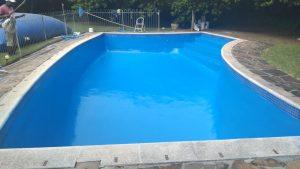
Maintaining a swimming pool in South Africa requires regular cleaning, balanced water chemistry, proper filtration, and consistent inspections to keep the water safe, clear, and healthy all year round. Whether you own a small backyard splash pool or a large family swimming pool, proper maintenance prevents costly repairs, algae growth, cloudy water, and unsafe swimming conditions.
South Africa’s warm climate, strong sunlight, seasonal rains, and dust make pool maintenance especially important. Without regular care, pools can quickly become dirty, green, or damaged. In this complete guide, you’ll learn everything you need to know about swimming pool maintenance in South Africa, including monthly costs, daily care requirements, warning signs of poor maintenance, and how to tell if a pool is professionally maintained.
Why Pool Maintenance Is Important in South Africa
Swimming pools are a valuable investment for homeowners, guesthouses, schools, gyms, and hotels across South Africa. However, maintaining a clean and hygienic pool goes beyond appearance. Proper pool maintenance helps:
- Prevent algae growth
- Eliminate harmful bacteria
- Extend the lifespan of pool equipment
- Improve water clarity
- Protect swimmers from skin and eye irritation
- Reduce long-term repair costs
- Keep filtration systems working efficiently
Because South Africa experiences high temperatures and strong UV exposure, pool chemicals evaporate faster than in cooler countries. Dust, leaves, insects, and rainwater also affect water quality, making regular maintenance essential throughout the year.
How Much Is Pool Maintenance Per Month in South Africa?
Pool maintenance in South Africa typically costs between R800 and R3,500 per month, depending on the size of the pool, location, frequency of service, and whether maintenance is done professionally or by the homeowner.
Average Monthly Pool Maintenance Costs
Here’s a general breakdown of pool maintenance pricing in South Africa for 2026:
Type of Maintenance | Estimated Monthly Cost |
DIY Pool Maintenance | R800 – R1,500 |
Weekly Professional Service | R1,500 – R3,500 |
Pool Chemical Costs | R400 – R1,200 |
Pool Cleaning Equipment | R300 – R800 |
Repairs & Filter Maintenance | Varies |
Professional pool maintenance services often include:
- Vacuuming the pool
- Testing water chemistry
- Adding chemicals
- Brushing pool walls
- Emptying baskets
- Inspecting pumps and filters
- Checking water levels
Larger pools or pools in areas with heavy debris may require more frequent cleaning, increasing maintenance costs.
Although DIY maintenance can save money, professional pool care helps prevent expensive repairs and keeps the water consistently safe and balanced.
Does a Pool Require Daily Maintenance?
Yes, a swimming pool requires some level of daily maintenance, especially during hot South African summers when pools are used more frequently.
Daily pool maintenance does not need to take hours. In most cases, spending 10 to 15 minutes per day can help prevent major problems.
Daily Pool Maintenance Tips
Proper daily pool maintenance is essential for keeping your swimming pool clean, safe, and ready to use throughout the year. In South Africa’s warm climate, pools are more vulnerable to dirt buildup, algae growth, and chemical imbalance, especially during summer. Spending just a few minutes each day on basic maintenance can prevent costly repairs and major cleaning problems later.
1. Remove Leaves and Debris
Use a pool net or skimmer to remove leaves, insects, grass, and other debris floating on the surface of the water. Allowing debris to remain in the pool can clog filters, affect water circulation, and encourage algae growth.
2. Check Water Levels
The water level should remain around halfway up the skimmer opening. If the water is too low, the pump may struggle to circulate water properly. If it is too high, skimming efficiency can decrease.
3. Inspect the Pool Pump
Check that the pool pump is operating correctly each day. Listen for unusual noises, inspect for leaks, and ensure the pump is circulating water effectively. A damaged or blocked pump can quickly affect water quality.
4. Empty Skimmer Baskets
Skimmer baskets collect debris before it reaches the filtration system. Emptying these baskets regularly helps improve water circulation and reduces pressure on the pool pump and filter.
5. Observe Water Clarity
Healthy pool water should appear clear and blue. Cloudy, dull, or green water may indicate poor filtration, algae growth, or unbalanced chemicals that need immediate attention.
6. Run the Filtration System
Pool pumps should generally run between 8 and 12 hours daily during summer months. Proper filtration keeps the water moving, distributes chemicals evenly, and helps remove dirt and bacteria.
Daily maintenance helps prevent algae buildup, cloudy water, equipment damage, and expensive long-term pool repairs.
What Are Signs of a Dirty Swimming Pool?
A dirty swimming pool usually shows obvious visual and physical warning signs. Ignoring these signs can lead to unsafe swimming conditions and expensive damage to pool systems.
Common Signs of a Dirty Pool
Green Water
Green pool water is one of the most common signs of a dirty swimming pool. This usually indicates algae growth caused by low chlorine levels, poor filtration, or inadequate pool maintenance. Algae can spread quickly, especially during hot South African summers.
Cloudy or Milky Water
Cloudy or milky pool water is another warning sign that the pool is not properly maintained. This can result from poor filtration, chemical imbalance, dirt buildup, or high calcium levels in the water. Cloudy water may also make swimming unsafe because visibility is reduced.
Strong Chlorine Smell
Many people assume a strong chlorine smell means the pool is clean, but the opposite is often true. A strong chemical odour usually means chlorine is reacting with contaminants such as sweat, dirt, and bacteria in the water.
Slippery Pool Walls
Slimy or slippery pool walls are early signs of algae growth. Pool walls should feel smooth and clean, not slippery or sticky. Regular brushing helps prevent algae buildup.
Floating Debris
Leaves, insects, dirt, and bugs floating in the water often indicate that the pool is not being cleaned regularly. Debris can clog filters and affect water quality if not removed quickly.
Stains on Pool Surfaces
Brown, green, or black stains on pool walls or floors may indicate algae growth, metal buildup, or chemical imbalance. Stains can become difficult to remove if ignored.
Irritated Eyes and Skin
Burning eyes, itchy skin, or unpleasant odours are signs that the water chemistry may be unbalanced and unsafe for swimmers.
Poor Water Circulation
Weak water movement or blocked jets can allow bacteria and algae to grow more easily. Proper circulation is essential for maintaining clean and healthy pool water.
How to Tell if a Pool Is Properly Maintained?
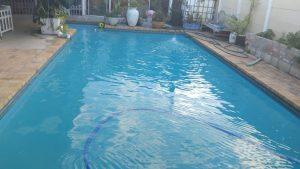
A properly maintained pool should look clean, smell fresh, and operate efficiently. Healthy pool water is not only visually appealing but also safe for swimmers.
Signs of a Well-Maintained Pool
Crystal Clear Water
One of the biggest signs of a well-maintained pool is crystal clear water. You should easily be able to see the bottom of the pool without cloudiness, discoloration, or floating debris. Clear water usually indicates proper filtration, balanced chemicals, and regular cleaning.
Balanced Water Chemistry
Healthy pool water should always have balanced chemicals. Proper pool chemistry includes pH levels between 7.2 and 7.6, balanced alkalinity, and correct chlorine levels. Balanced water helps prevent bacteria, algae growth, cloudy water, and skin or eye irritation for swimmers.
Clean Pool Tiles and Walls
A properly maintained pool should have clean walls, steps, and tiles with no slime, algae, stains, or dirt buildup. Regular brushing and vacuuming help keep pool surfaces clean and prevent algae from spreading.
Efficient Filtration System
An efficient filtration system is essential for maintaining clean pool water. The pool pump, skimmer, and filter should operate quietly and effectively to remove dirt, debris, and contaminants from the water. Poor filtration often leads to cloudy water and algae problems.
No Strong Chemical Odour
A clean swimming pool should smell fresh, not strongly chemical. A powerful chlorine smell can actually indicate poor water balance or excessive contaminants in the water. Proper chemical levels help maintain a healthier and more comfortable swimming environment.
Proper Water Circulation
Good water circulation is another sign of a healthy pool. Pool jets should create visible water movement to distribute chemicals evenly throughout the pool. Proper circulation helps prevent stagnant water, bacteria buildup, and algae growth.
Clean Pool Equipment
Well-maintained pools also have clean equipment. Skimmer baskets, pumps, and filters should be free from leaves, dirt, and debris. Keeping equipment clean improves performance and extends the lifespan of the pool system.
A professionally maintained pool not only looks clean and inviting but also helps prevent costly repairs and major equipment failures over time.
Essential Pool Maintenance Tips for South African Homeowners
Test Water Chemistry Weekly
Pool water should be tested regularly using test strips or a testing kit. Monitor:
- Chlorine levels
- pH balance
- Alkalinity
- Calcium hardness
Balanced water protects both swimmers and pool equipment.
Shock the Pool Regularly
Pool shocking removes bacteria, contaminants, and algae. During summer, pools should typically be shocked once per week.
Heavy rainfall, parties, or excessive swimming may require additional treatment.
Clean the Pool Filter
Pool filters trap dirt and contaminants. Dirty filters reduce efficiency and increase strain on the pump.
Types of pool filters include:
- Sand filters
- Cartridge filters
- Diatomaceous earth filters
Filters should be cleaned according to manufacturer recommendations.
Brush and Vacuum the Pool
Brushing prevents algae buildup on walls and steps. Vacuuming removes debris that settles at the bottom.
Professional pool services often include deep vacuum cleaning.
Maintain Proper Water Levels
Water levels naturally change due to evaporation and rainfall. Low water levels can damage pumps, while excessive water reduces skimming efficiency.
Use a Pool Cover
A pool cover helps:
- Reduce evaporation
- Keep debris out
- Lower chemical usage
- Improve safety
- Retain heat
Pool covers are especially useful during windy conditions or when the pool is not in use.
Seasonal Pool Maintenance in South Africa
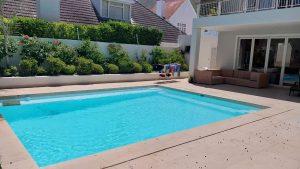
Summer Pool Maintenance
South African summers require increased maintenance because of:
- High temperatures
- Increased pool usage
- Faster chlorine evaporation
- Higher algae risk
Summer maintenance should include:
- Frequent testing
- Longer pump operation
- Weekly shocking
- Regular skimming
Winter Pool Maintenance
Even during winter, pools should not be neglected.
Winter maintenance includes:
- Reducing pump runtime
- Covering the pool
- Monitoring water chemistry
- Preventing algae growth
A neglected winter pool often becomes expensive to restore in summer.
Professional Pool Maintenance vs DIY Maintenance
DIY Pool Maintenance
DIY pool maintenance is a practical and cost-effective option for homeowners who have smaller swimming pools and enough time to manage regular cleaning and water care. Many pool owners choose to maintain their pools themselves because it gives them full control over cleaning schedules, chemical treatments, and overall pool condition. Basic DIY pool maintenance includes skimming leaves and debris, vacuuming the pool floor, brushing pool walls, cleaning filters, and testing the water chemistry regularly.
Homeowners who understand basic pool chemistry can successfully manage chlorine levels, pH balance, and algae prevention without professional assistance. DIY maintenance can also help reduce monthly pool care costs, especially for families looking to save money while still keeping their pool clean and safe. However, consistency is important. Neglecting maintenance for even a short period can quickly lead to cloudy water, algae growth, and equipment problems.
Professional Pool Maintenance
Professional pool maintenance is recommended for larger pools, busy homeowners, commercial properties, and pools with ongoing maintenance issues. Professional pool technicians have the experience, training, and equipment needed to keep swimming pools in excellent condition throughout the year. Their services often include vacuuming, chemical balancing, filter cleaning, algae treatment, pump inspections, and overall water quality management.
Hiring professionals can save homeowners time and reduce the stress of dealing with recurring pool problems. Professional maintenance is especially valuable for pools that experience frequent algae growth, cloudy water, equipment failures, or heavy usage. Commercial pools at hotels, schools, gyms, and guesthouses often require professional servicing to meet health and safety standards.
Professionals also use advanced tools and testing methods to identify issues early before they become expensive repairs. While professional pool maintenance may cost more than DIY care, it provides convenience, expert attention, and long-term protection for your swimming pool investment.
Frequently Asked Questions About Pool Maintenance in South Africa
1. How often should a swimming pool be cleaned?
A swimming pool should be skimmed daily to remove leaves, insects, and debris from the water surface. Vacuuming and brushing should be done at least once a week to prevent dirt buildup and algae growth. Pool chemicals should also be tested once or twice weekly to keep the water balanced and safe for swimming. Regular cleaning helps maintain clear water and extends the lifespan of pool equipment.
2. What is the ideal pH level for a swimming pool?
The ideal swimming pool pH level is between 7.2 and 7.6. This range keeps the water comfortable for swimmers while helping chlorine work effectively to kill bacteria and algae. If the pH level is too high or too low, swimmers may experience eye irritation, cloudy water, or damage to pool equipment. Regular water testing helps maintain proper chemical balance.
3. Why does my pool turn green so quickly?
Pools usually turn green because of algae growth caused by low chlorine levels, poor filtration, or insufficient cleaning. Warm South African temperatures and heavy rainfall can also encourage algae to spread faster. Dirt, leaves, and poor water circulation make the problem worse if the pool is not maintained consistently. Regular cleaning, proper filtration, and balanced chemicals help prevent green pool water.
4. How long should I run my pool pump daily?
Pool pumps should generally run between 8 and 12 hours daily during summer and around 4 to 6 hours during winter. Running the pump allows water to circulate properly through the filtration system, helping remove dirt and bacteria. Pools with heavy use or lots of debris may require longer filtration times. Proper circulation keeps pool water clean, clear, and healthy.
5. Can I maintain my pool myself?
Yes, many homeowners successfully maintain their own swimming pools with the right cleaning tools and regular maintenance routines. DIY pool care includes skimming debris, vacuuming, testing chemicals, and cleaning filters consistently. Smaller pools are usually easier to manage without professional assistance. However, regular attention is important to prevent algae growth and costly repairs.
6. When should I hire a professional pool maintenance company?
You should hire a professional pool maintenance company if your pool has persistent algae, cloudy water, broken equipment, or recurring chemical problems. Professional pool technicians have the experience and equipment needed to diagnose and solve issues quickly. They also help prevent expensive long-term damage through regular inspections and servicing. Professional maintenance is ideal for busy homeowners or large swimming pools requiring expert care.
Conclusion
Maintaining a pool in South Africa requires consistent cleaning, balanced water chemistry, proper filtration, and regular inspections to keep the water clean, safe, and inviting throughout the year. From daily skimming and weekly chemical testing to professional servicing and seasonal care, proper maintenance protects your investment and prevents costly repairs. Whether you choose DIY maintenance or professional pool services, staying proactive is the key to enjoying crystal-clear water and a healthy swimming environment in 2026 and beyond.
For expert swimming pool installation, maintenance, repairs, and professional pool care services in South Africa, trust Gentle Pools to keep your pool crystal clear, safe, and swim-ready all year round. Call us today on 073 919 4953.
Pingback: Do You Need Municipal Approval for a Swimming Pool? (2026 Guide) - Gentle Pools Pty Ltd Cape Town